
It starts with a sound. Before you see anything, you hear it — the low call of a kachu, a hollowed cow horn, answered by the scrape of a wiri and the deep pulse of the tambú. Then the voices come, one leading and hundreds answering, and by the time the first dancers round the corner in their straw hats and farmer’s cotton, you understand: this isn’t a show put on for tourists. This is Curaçao remembering who it is. This is Seú.
The short version
- Seú (say “say-oo”) is Curaçao’s traditional harvest festival, with roots over 200 years old.
- The main parade fills the streets of Willemstad every Easter Monday.
- A second, beloved parade winds through the rural Bandabou region about a week later.
- Its star is the Kantadó Mayó — the island-wide competition to crown the greatest traditional singer.
What is Seú, really?
Long before it was a parade, Seú was gratitude. The word itself traces back to West Africa — to Guinea-Bissau, where it carried the meaning of sky. Enslaved field workers on Curaçao’s plantations sang, drummed and danced toward the heavens to call for rain and to give thanks for what the dry, cactus-studded land managed to yield. When the sorghum and corn — the maishi — finally came in, the whole community took to the fields in celebration.
After abolition in 1863, the tradition didn’t fade; it took root in the island’s rural villages, where neighbours still gathered to bring in each other’s harvest for little more than a shared meal and a small glass of rum. That spirit — thanksgiving, community, and a refusal to forget — is exactly what you feel today when Seú spills into the streets. It’s one of the largest Afro-Caribbean cultural celebrations in the region, and it belongs to everyone on the island.
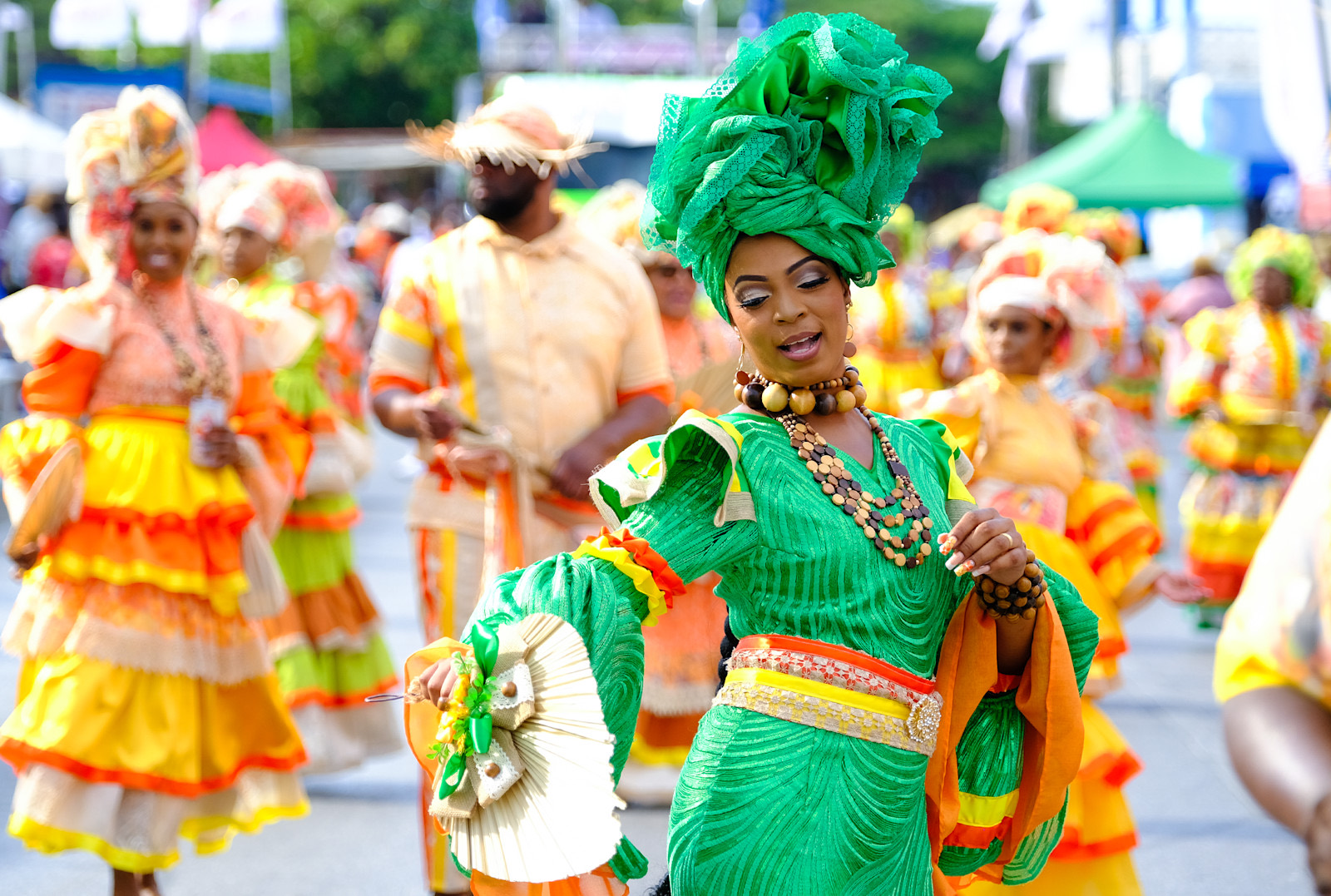
The wapa: a dance born in the fields
Watch the dancers closely and you’ll notice the movements aren’t random — they tell the story of the harvest. This graceful, shuffling step is called the wapa, and it mimics the motions of planting, cutting and gathering the crop. Traditionally, the women carried woven baskets of maishi balanced on their heads, dancing their way from the fields to the warehouse while the men played. The steps are easy to follow and impossible to resist — within a few minutes, you’ll catch yourself swaying left to right along with everyone else.
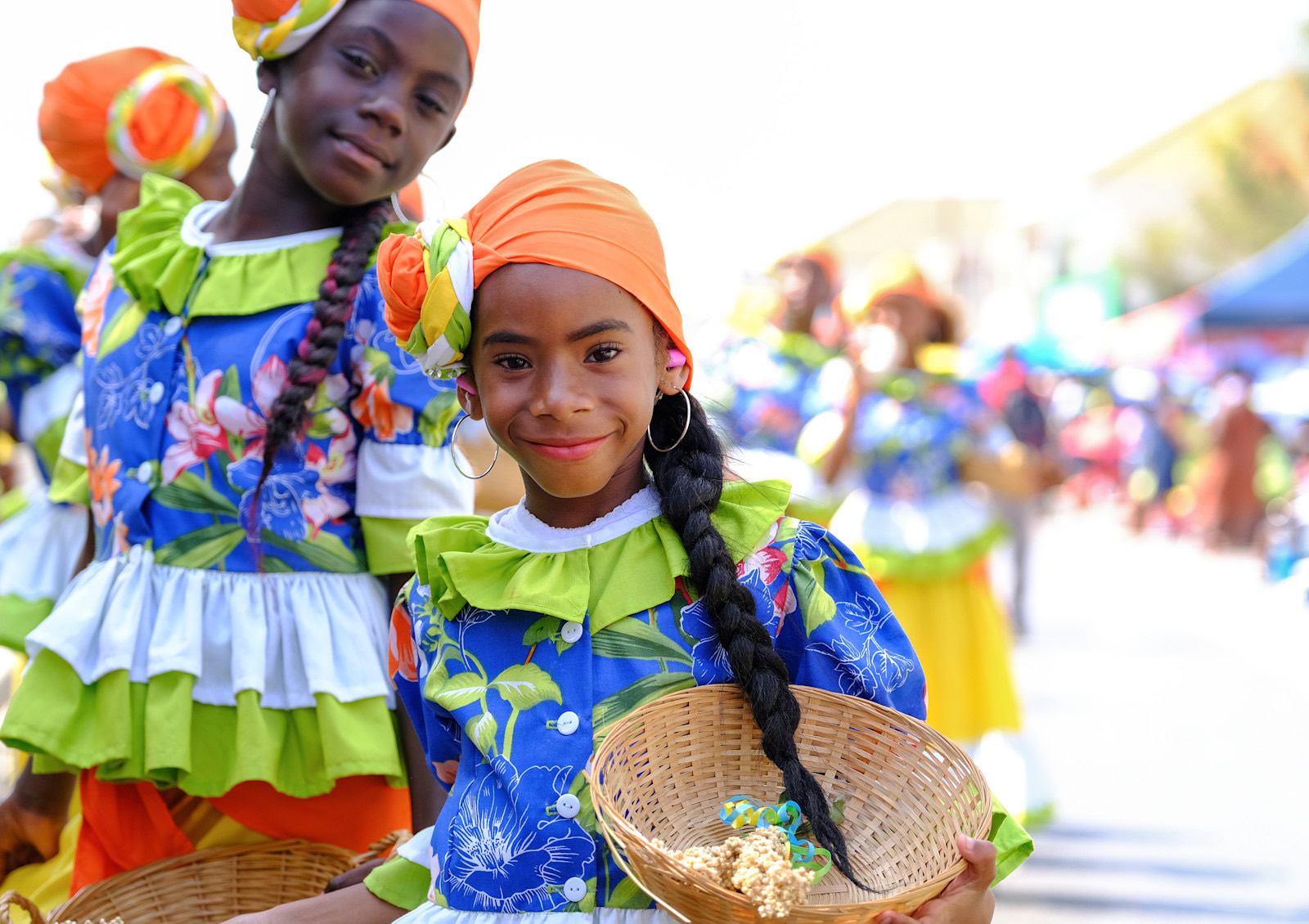
The heartbeat: tambú, chapi, kachu and wiri
Seú’s music is polyrhythmic and hypnotic, built from instruments that were made from whatever the land and the farm could offer:
The sound of Seú
- Tambú — the deep drum at the centre of it all, played on the island since the days of slavery.
- Chapi — the metal blade of a hoe, struck to keep the sharp, ringing rhythm.
- Kachu — a cow’s horn (or conch) blown like a trumpet to call the marchers.
- Wiri — a serrated metal scraper that gives the beat its shimmer.
- Kuarta — a small local guitar that carries the melody between the drums.
The Kantadó Mayó: crowning the island’s greatest voice
At the heart of Seú season is the Kantadó Mayó — literally, “the major singer.” It’s the island’s great singing competition, and it works like Seú itself: call and response. The lead singer improvises a line about love, hardship, faith or everyday island life, and the crowd sings it back. Landing that connection — making a whole street answer as one — is an art form.
Each year, dozens of contestants (some years more than seventy) take the stage across several preliminary nights, and the finalists return for one electric final. The winner earns the title of Kantadó Mayó and the honour of helping lead the celebration. If you want to understand why Seú matters to Curaçaoans, watch a full crowd finish a singer’s line before they can — that’s a culture keeping its own memory alive, out loud.
The Kantadó Mayó doesn’t stand alone, either. Seú season also crowns a Seú Queen, who leads the grand parade, and celebrates the Mara Lensú — a headwrap competition honouring the beautifully tied, colourful lensu that the plantation women wore to cushion and balance their harvest baskets. Each crown is another way the island keeps its craft and memory alive.
One voice starts the line. Hundreds finish it. That’s not a performance — that’s a community remembering itself in real time.
— On the magic of the Kantadó Mayó
When and where to experience Seú
There are really two Seú parades, and locals will tell you to try to catch both. The big one takes over Willemstad on Easter Monday (Segunda Pasku), when more than 2,000 people march in traditional folklore costume — the route runs along the main road between Sta. Maria (near the airport) and Otrabanda in the city centre. About a week later, the Bandabou parade rolls through the island’s rural west — many say it’s the more intimate, soulful of the two, ending in a big open-air celebration of music and food. In the lead-up, keep an eye out for “wapa-in” parties — festival-style warm-ups with live bands and the Kantadó Mayó finalists.
Visiting Curaçao around Easter?
Seú falls in peak season and the west-side Bandabou parade is far easier to reach by car. Reserve early while the full fleet is available.
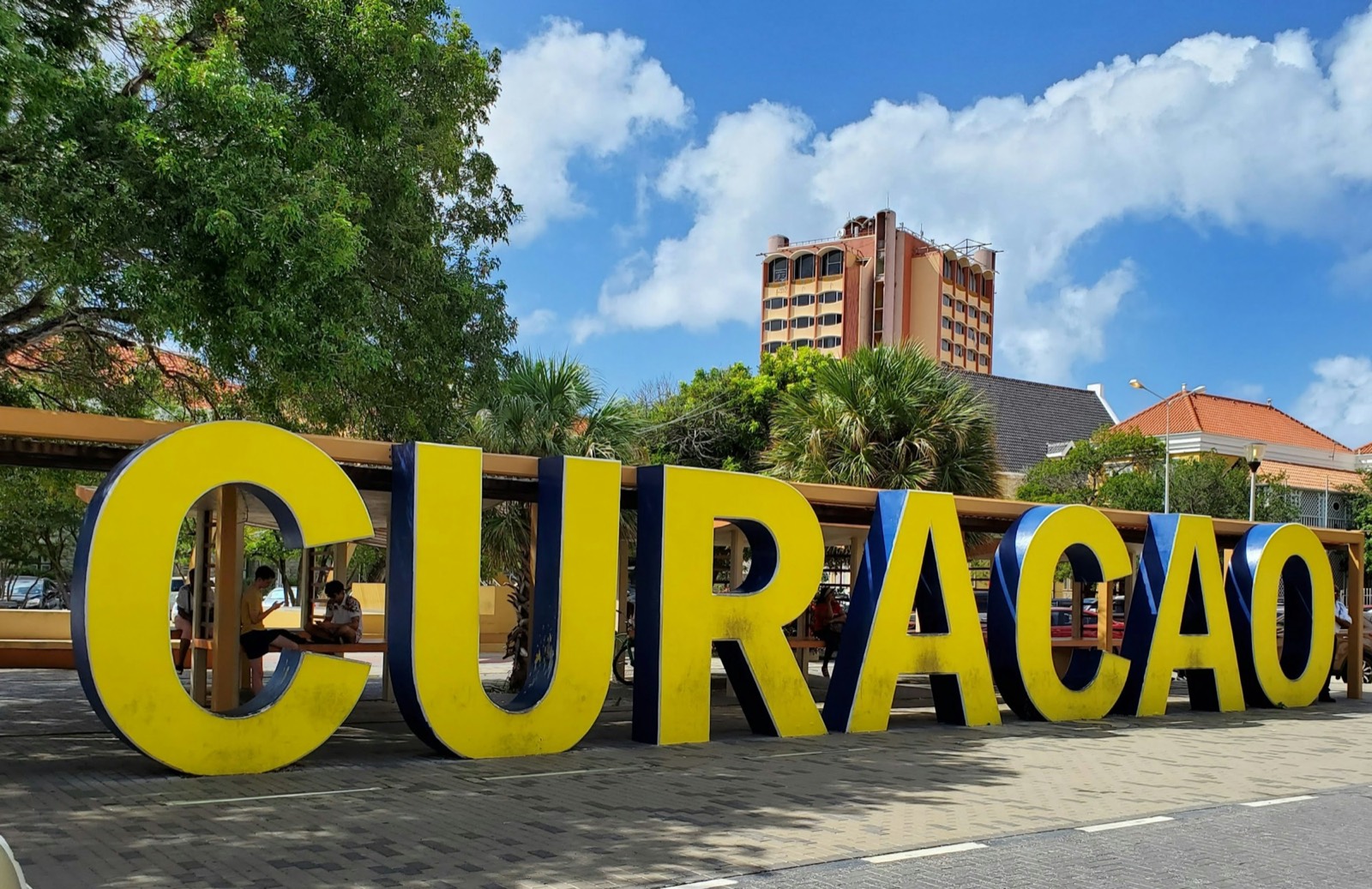
Culture you can’t book from a hotel lobby
The best of Seú happens out in the villages and streets — a car turns it from a highlight reel into a day you’ll never forget.
How to experience Seú like a local
A few friendly tips
- Parking near the route is limited, so arrive early and carpool with your group if you can.
- It’s a full-day event — bring a chair, an umbrella for shade, water, light clothes and sun protection.
- Bring cash for street food — try a warm pastechi, kokada, or fresh batido from the stalls.
- When someone waves you into the wapa, say yes. Being pulled in is the whole point.
- Be respectful with photos of participants, and soak in the music rather than only filming it.
Make it a road trip
Seú pairs perfectly with a day exploring the island. Catch the Bandabou parade in the west, then reward yourself with an afternoon at the nearby beaches — Grote Knip and Playa Lagun are minutes away — or a hike in Christoffel National Park. Doing it all on the island’s bus schedule is a headache, especially on a holiday; with your own car you simply follow the day wherever it leads. Take a look at our fleet and pick the ride that fits your crew.
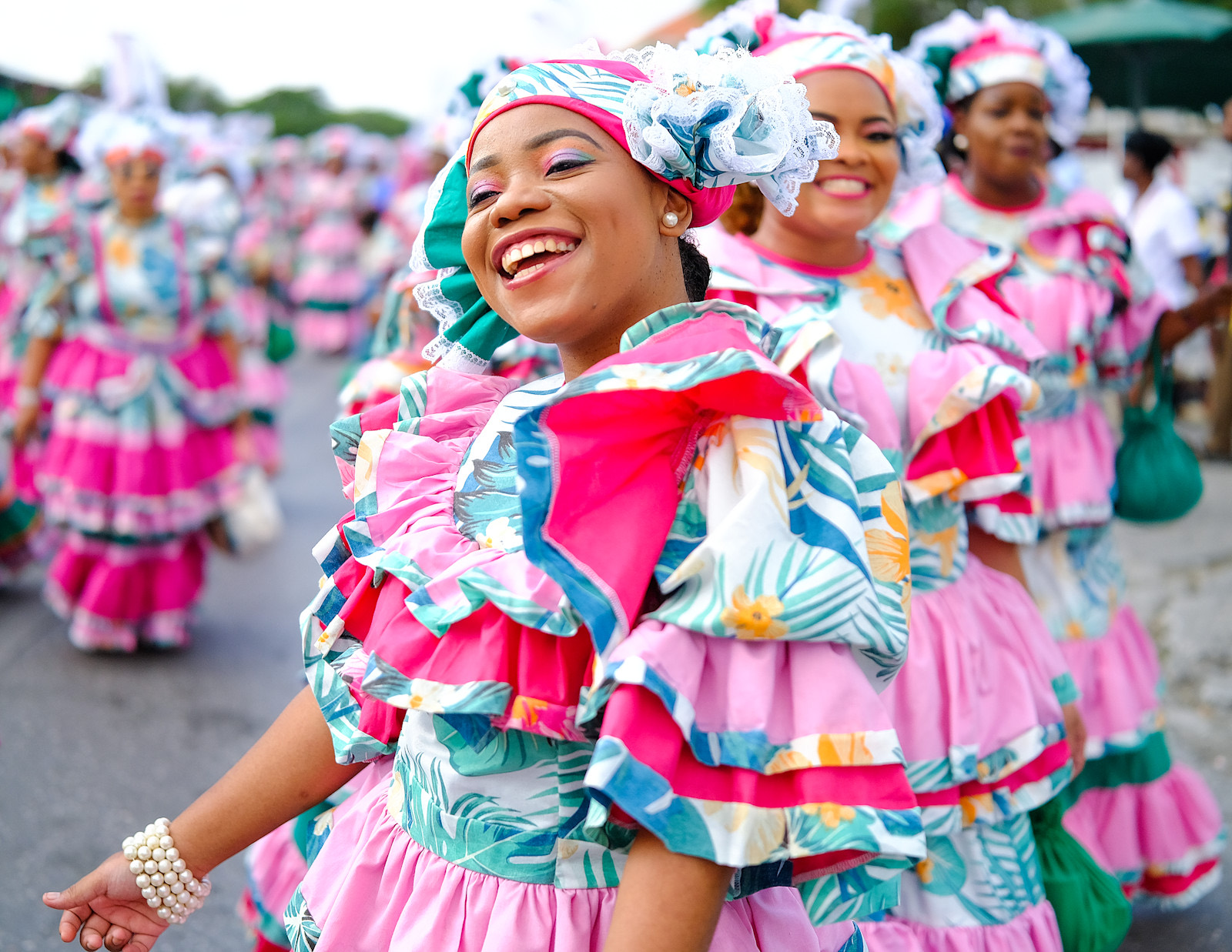
Come feel the rhythm of the island
Pick up at the airport, follow the parade to Bandabou, and chase the beat wherever it takes you. 20+ years of trusted local service.
The bottom line
Beaches and blue water are why many people come to Curaçao — but Seú is why some of them fall in love with it. It’s a living link to the island’s history, a celebration of gratitude and community that you don’t just watch, you join. If your trip lands anywhere near Easter, build your days around it. Reserve your car, point it toward the music, and let Curaçao show you its heart.